Source piercing tattoo needles for Body Art, Skin Care, and Piercing
Find 30 verified options for piercing tattoo needles suitable for body art, skin care, and piercing applications. Buyers can compare specifications like sterilization methods, materials, and packaging to select the right tools for their needs.
Key considerations
Products List




Comprehensive Sourcing Guide
Strategic Sourcing Guide for Piercing Tattoo Needles
Understanding Technical Specifications and Material Standards
When sourcing piercing tattoo needles, the primary objective is to identify products that meet rigorous medical-grade standards while satisfying the specific artistic or clinical needs of the end-user. The core material for these instruments is consistently stainless steel, selected for its durability, resistance to corrosion, and ability to maintain a sharp, sterile edge during use. Buyers must verify that the specific grade of stainless steel aligns with medical device requirements, ensuring the needles do not degrade or cause adverse reactions during the piercing or tattooing process.
The physical dimensions of the needles are critical for both the piercing technique and the resulting aesthetic. Available specifications often include a range of gauges, such as 12g, 13g, 14g, 15g, 16g, 18g, 20g, and 22g. These measurements dictate the thickness of the needle, which directly influences the depth of the incision and the healing characteristics. Furthermore, diameter specifications are frequently categorized by numerical codes, such as #08 (0.25mm), #10 (0.30mm), and #12 (0.35mm). These precise measurements are essential for buyers to match the product to the intended application, whether it is for body art drawing, skin care, or general body art procedures.
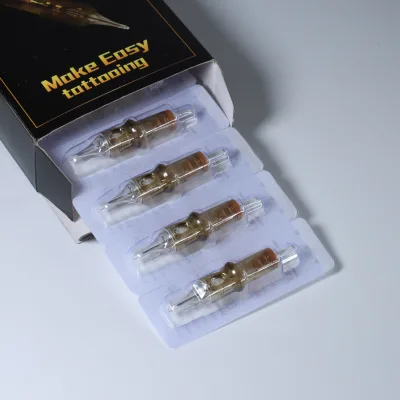
The configuration of the needle tip is another vital technical attribute. Many high-quality options feature a tri-beveled medical grade design, which is engineered to reduce tissue trauma and ensure a clean entry point. The product model variations, such as HB9-9 or generic OEM designations, often correspond to specific tip geometries or bundle arrangements. Buyers should scrutinize the product model descriptions to ensure they align with the specific piercing or tattooing style required. Additionally, the packaging standard, often cited as 100 pieces per box or 50 pieces per box, indicates the batch size and helps in calculating inventory requirements. The presence of individually packed blister packs or OPP bags suggests a focus on maintaining sterility from the factory to the point of use.
Compliance, Certification, and Sterilization Protocols
Compliance with international safety standards is non-negotiable in the procurement of piercing and tattooing instruments. The most frequently observed certifications in the market include CE and SGS. These certifications serve as indicators that the manufacturer has undergone specific quality audits and that the product meets European or general safety standards for medical devices. However, buyers must treat these certifications as observations of the specific listing rather than a universal guarantee for every product in a category. It is imperative to request valid, up-to-date certificates for the specific batch being purchased to verify authenticity.
Sterilization is the most critical safety protocol for these devices. The prevailing method observed in the supply chain is Ethylene Oxide (EtO) sterilization. This gas sterilization technique is highly effective at eliminating microorganisms, including bacteria, viruses, and spores, without damaging the stainless steel components. The documentation must explicitly state "Ethylene Oxide Gas Sterilization" or "Ethylene Oxide Sterilization" to confirm the process. Products described as "Sterile Technique" or "Tri-Beveled Medical Grade" often imply this process, but explicit confirmation is required.
Buyers should also be aware of the distinction between single-use and reusable items. The vast majority of modern piercing tattoo needles are designated as "Disposable," meaning they are intended for a single procedure and must be discarded immediately after use to prevent cross-contamination. The presence of a "Sterilized" attribute in the product listing confirms that the item is ready for use upon opening, provided the packaging remains intact. While some background knowledge suggests ISO 13485, this standard should not be assumed unless explicitly stated in the supplier's documentation. The primary verification points remain the CE mark, SGS reports, and the specific sterilization method employed.
Cost Drivers and Pricing Structures
The pricing of piercing tattoo needles is influenced by a complex interplay of factors, including material quality, sterilization methods, packaging complexity, and order volume. The observed price range in the market spans from approximately $0.03 to $17 per unit, a wide variance that reflects differences in product grade, brand reputation, and packaging specifications. Lower-priced items often correspond to basic configurations with standard packaging, while higher-priced units may include premium branding, specialized tip geometries, or enhanced individual blister packaging.
Minimum Order Quantity (MOQ) is a significant cost driver. Suppliers typically set MOQs ranging from 1 to 2000 units, with common thresholds observed at 10 boxes. This variability allows buyers to scale their procurement based on their immediate needs and cash flow. For smaller studios or startups, an MOQ of 10 boxes might be the entry point, whereas larger distributors may negotiate lower per-unit costs by ordering in the thousands. The "Reasonable & Cheap & Competitive" nature of pricing often suggests that the market is highly competitive, but buyers must balance cost savings with the risk of compromising on sterilization or material quality.
Payment terms also play a role in the total cost of ownership. Commonly accepted methods include L/C (Letter of Credit), T/T (Telegraphic Transfer), D/P (Documents against Payment), Western Union, and PayPal. The choice of payment method can affect transaction fees and security. For large orders, T/T or L/C is often preferred for security, while smaller transactions may utilize Western Union or PayPal. Buyers should factor in these financial terms when calculating the total landed cost, as favorable payment terms can sometimes offset slightly higher unit prices.
Typical Applications and Usage Scenarios
Piercing tattoo needles are designed for a diverse range of applications, primarily centered around body art, skin care, and cosmetic procedures. The product attributes frequently list "Body Art" and "Skin Care" as primary usage categories, indicating their versatility in professional settings. The "Piercing" feature highlights their specific utility in creating incisions for jewelry insertion, while the "Tattoo Needle" designation points to their use in ink deposition for artistic designs.
The intended usage area is predominantly the human body, with specific mentions of "Body" and "Skin Care." This broad categorization implies that the needles are suitable for various anatomical locations, provided the practitioner follows standard safety protocols. The "Use for: Body Art Drawing" attribute further clarifies that these instruments are optimized for the precision required in tattooing, where consistent line work and shading are essential.
For cosmetic applications, the needles must be capable of delivering precise, shallow incisions for procedures like micro-pigmentation or dermal treatments. The availability of different gauges, from 12g to 22g, allows practitioners to select the appropriate tool for the specific cosmetic or tattooing technique. The "Disposable" nature of the product ensures that hygiene is maintained across different clients and procedures, making these needles suitable for high-volume environments such as professional tattoo studios and medical aesthetic clinics.
Supplier Evaluation and Origin Verification
When evaluating potential suppliers, the geographical origin of the product is a key indicator of manufacturing capabilities and regulatory compliance. The supply chain for these needles is heavily concentrated in China, with specific mentions of Jiangsu and Zhejiang provinces as major production hubs. These regions are known for their established medical device manufacturing infrastructure, which often translates to consistent quality and competitive pricing. However, buyers should verify the specific "Place of Origin" listed on the product page, as it may vary between Zhejiang and Jiangsu.
Supplier reliability is often signaled by the availability of stock and the flexibility of delivery terms. Many suppliers indicate "Have Stock: Yes," which is crucial for buyers requiring immediate fulfillment. Lead times are typically short, with many suppliers offering a 1-3 day window for order processing. This rapid turnaround is beneficial for businesses with tight inventory cycles. Delivery terms are diverse, including major courier services such as DHL, UPS, TNT, FedEx, EMS, and sea shipping options. The availability of multiple shipping methods allows buyers to choose the most cost-effective or time-sensitive option for their specific needs.
Customization is another critical factor in supplier selection. Many manufacturers offer OEM (Original Equipment Manufacturer) services, allowing buyers to customize the size, color, and packing of the needles. This flexibility is essential for brands looking to differentiate their products or meet specific regulatory requirements. The "Customization: Available" attribute suggests that suppliers are willing to adapt their production lines to accommodate specific branding or technical requests. Buyers should inquire about the MOQ for custom orders, as these may differ from standard stock items.
Quality Control and Long-Term Procurement Considerations
Ensuring consistent quality is paramount in the procurement of piercing tattoo needles. The "Quality: High" attribute is a common claim, but buyers must validate this through rigorous quality control measures. This includes verifying the sterility of the packaging, the sharpness of the needle tips, and the integrity of the stainless steel. The "Quality Assurance" section of supplier documentation should explicitly state the ability to provide certificates of CE and SGS, serving as a baseline for trust.
Long-term procurement strategies should focus on building relationships with suppliers who demonstrate transparency and consistency. Buyers should prioritize suppliers who offer clear documentation regarding sterilization processes and material composition. The ability to provide batch-specific certificates is a strong indicator of a supplier's commitment to quality. Additionally, the "OEM" capability allows for long-term branding strategies, where the supplier can consistently produce needles with specific customizations over time.
Buyers must also consider the environmental and regulatory implications of their procurement choices. While the "Disposable" nature of the needles simplifies usage, it also generates waste. Evaluating suppliers who use eco-friendly packaging materials, such as recyclable OPP bags or biodegradable blister packs, can align procurement with sustainability goals. Furthermore, staying informed about changes in international regulations regarding medical devices and tattooing instruments is essential for maintaining compliance. Regular audits of supplier performance, including on-time delivery rates and defect rates, should be part of a comprehensive quality management system.
In conclusion, sourcing piercing tattoo needles requires a meticulous approach that balances technical specifications, compliance, cost, and supplier reliability. By focusing on verified certifications, precise material standards, and transparent supply chain practices, buyers can secure high-quality products that meet the demanding requirements of the body art and medical aesthetic industries. The wide range of available options, from standard gauges to custom OEM solutions, provides ample opportunity for strategic procurement that supports both immediate operational needs and long-term business growth.
FAQs
What sterilization method is used for these needles?
The needles undergo Ethylene Oxide Gas Sterilization to ensure they are safe for single-use procedures. This method eliminates microorganisms effectively without damaging the stainless steel components, making them ready for immediate use upon opening.
Which certifications do the products typically hold?
Products frequently carry CE and SGS certifications to indicate compliance with safety standards. Buyers should verify specific batch certificates to confirm authenticity, as these marks reflect adherence to European or general medical device safety requirements.
How are the needle dimensions specified for different uses?
Dimensions are provided in gauges like 12g to 22g or diameters such as #08, #10, and #12. These measurements determine the needle thickness, allowing practitioners to select the appropriate tool for specific body art drawing or piercing techniques.
Can buyers customize the packaging and branding of the needles?
Yes, customization is available for size, color, and packing configurations through OEM services. This flexibility allows brands to adapt products to specific regulatory requirements or branding needs, though minimum order quantities may vary for custom runs.
What is the typical lead time for delivery?
Lead times are generally short, often ranging from 1 to 3 days for order processing. Suppliers frequently maintain stock availability, enabling rapid fulfillment and diverse shipping options including DHL, UPS, and FedEx for global distribution.
Which materials are used to construct the needles?
The needles are constructed from high-quality stainless steel selected for durability and corrosion resistance. This material ensures the needles maintain a sharp edge and do not degrade during use, meeting medical-grade requirements for body art and skin care.
What are the common minimum order quantities for these items?
Minimum order quantities typically range from 1 to 2000 units, with 10 boxes being a common threshold. This variability allows buyers to scale procurement based on immediate needs, balancing cost savings with inventory requirements for their specific business size.